Get Wood Chips Installation
Wood Chips Installation services help property owners improve landscaping, control weeds, and enhance outdoor spaces by connecting them with local contractors experienced in mulch and ground cover projects.
If you're considering a wood chips installation for your property, you're in the right place to explore your options. Many property owners find that adding wood chips can enhance landscape aesthetics, reduce weed growth, and improve soil health. Whether planning a new garden bed, pathways, or a decorative mulch layer, understanding the benefits and available services can help you make informed decisions. This page connects you with local contractors who specialize in wood chips installation, making it easier to compare options and find the right fit for your project.
Exploring local service providers allows property owners to evaluate different approaches and choose the best solution for their needs. Skilled contractors can assist with planning, site preparation, and installation to ensure the work aligns with your property’s layout and your goals. Keep reading to learn more about how local professionals can support your wood chips project and help bring your landscape ideas to life.
- Wood Chips Installation - homeowners seeking to improve landscaping with organic ground cover can find local contractors who specialize in installing wood chips.
- Mulching Projects - garden and landscape projects that require effective weed control and moisture retention often need professional wood chip spreading.
- Playground Safety Surfacing - schools and parks looking to create safe play areas may need local service providers to install wood chips as a surfacing material.
- Erosion Control - properties experiencing soil erosion on slopes or garden beds can benefit from expert wood chip application for stabilization.
- Pathway and Garden Bed Mulching - gardeners and property owners wanting to define pathways or beds with mulch often seek local pros for proper installation.
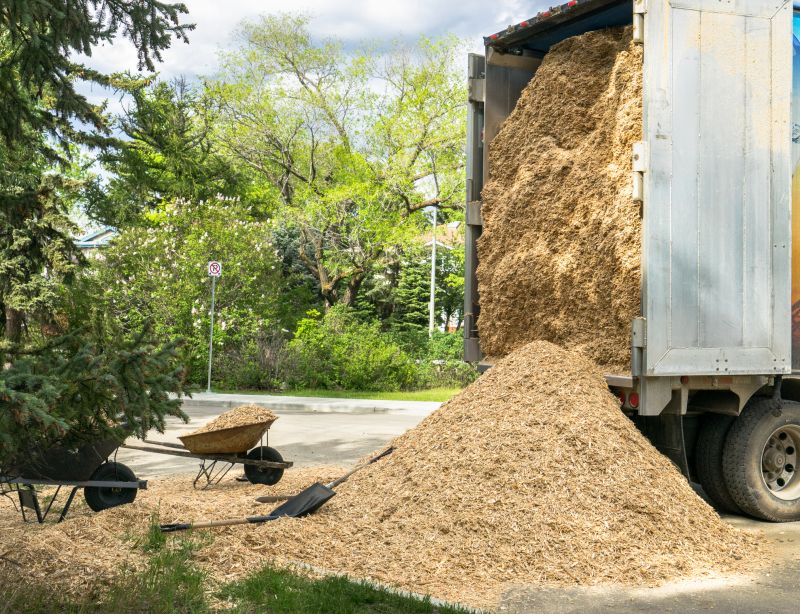
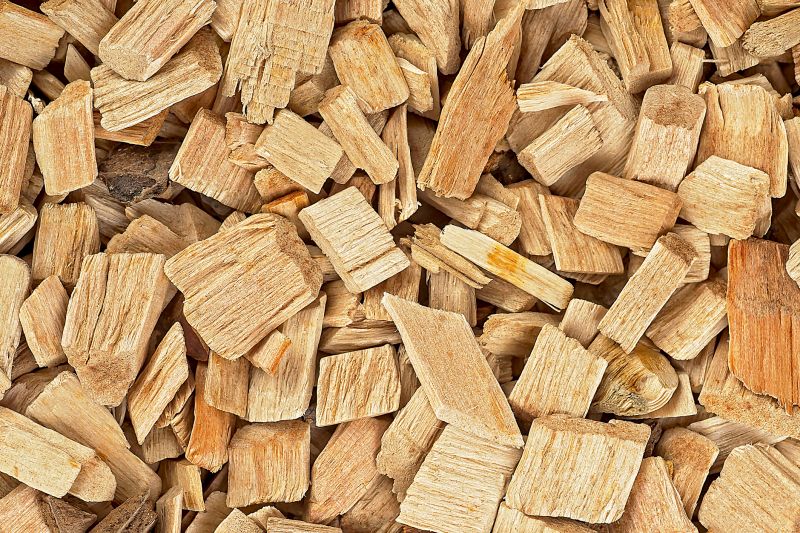
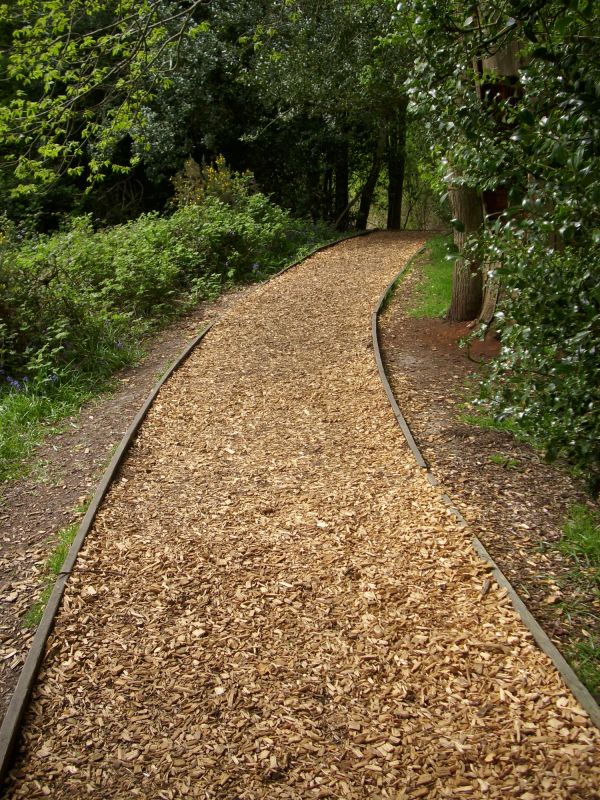
Wood chips installation services involve spreading a layer of wood chips across specified areas of a property, typically for landscaping, ground cover, or decorative purposes. This process includes preparing the surface, which may involve clearing debris or leveling the ground, and then evenly distributing the wood chips to achieve a neat, consistent appearance. Skilled contractors can tailor the depth and coverage to meet the specific needs of each property, ensuring a durable and attractive finish that enhances the overall landscape.
This service can help address several common landscaping challenges. For example, wood chips act as a natural mulch, helping to suppress weeds and reduce soil erosion. They also assist in maintaining soil moisture and regulating temperature, which benefits plant health. Additionally, wood chips can create a clean, polished look for garden beds, pathways, or play areas, making outdoor spaces more functional and visually appealing.
Properties that typically utilize wood chips installation include residential homes with gardens or yards, community parks, school playgrounds, and commercial landscapes. Homeowners often choose this service to improve curb appeal or create low-maintenance outdoor spaces. Property managers and landscapers rely on wood chips to provide a cost-effective, attractive ground cover that minimizes the need for frequent upkeep while enhancing safety and usability in outdoor areas.
Homeowners who are looking to refresh their landscape or address specific issues such as weed growth, soil erosion, or uneven ground may find wood chips installation to be a practical solution. This service is also suitable for those wanting to create defined garden beds, pathways, or play zones that require a natural, soft surface. Connecting with local contractors can help determine if wood chips are the right choice for a property’s unique landscape needs and ensure the work is done efficiently and effectively.
The overview below groups typical Wood Chips Installation projects into broad ranges so you can see how smaller, mid-sized, and larger jobs often compare in your area.
In many markets, a large share of routine jobs stays in the lower and middle ranges, while only a smaller percentage of projects moves into the highest bands when the work is more complex or site conditions are harder than average.
Small-Scale Installations - typical costs range from $250-$600 for routine jobs like adding mulch or a modest wood chip layer. Many local contractors handle these projects within this range, which covers most standard applications.
Medium Projects - larger installations, such as covering a sizable garden bed or pathway, often cost between $600-$1,500. These projects are common and usually fall within this middle price band.
Large or Complex Jobs - extensive wood chip installations, like landscaping a large area or multiple beds, can reach $1,500-$3,500 or more. Fewer projects push into this higher range, which typically involves more materials and labor.
Full Replacement or Major Overhauls - complete removal and replacement of existing wood chips or extensive landscape redesigns can surpass $3,500, with larger projects potentially exceeding $5,000. These are less common and involve significant planning and effort by local service providers.
Actual totals will depend on details like access to the work area, the scope of the project, and the materials selected, so use these as general starting points rather than exact figures.
Mulching Projects - local contractors can install various types of mulch, including wood chips, to improve landscaping and soil health.
Garden Bed Preparation - professionals prepare garden beds by layering wood chips and other materials to promote healthy plant growth.
Pathway and Walkway Construction - local service providers build durable pathways using wood chips and similar materials for aesthetic and functional purposes.
Playground Surfacing - experts install wood chips as a safe, impact-absorbing surface for playgrounds and recreational areas.
Erosion Control Projects - contractors use wood chips to stabilize slopes and prevent soil erosion in landscaping and construction sites.
Landscape Renovation - local pros incorporate wood chips into landscape redesigns to enhance visual appeal and soil condition.
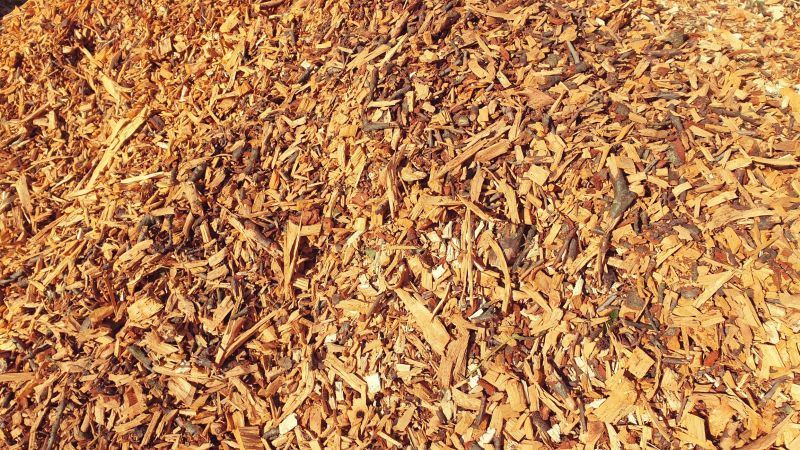
When comparing contractors for wood chips installation, it’s important to consider their experience with similar projects. Homeowners should look for service providers who have a proven track record in handling landscape mulching or wood chip applications comparable to the scope of the job. Asking for examples of past work or references can provide insight into their familiarity with the process and their ability to deliver results that meet expectations. An experienced contractor is more likely to understand the nuances of proper installation, ensuring the mulch is applied correctly and lasts over time.
Clear, written expectations are essential when evaluating local contractors. Homeowners should seek service providers who can offer detailed explanations of what the project entails, including preparation, installation steps, and any additional services that may be involved. Having a written outline helps prevent misunderstandings and ensures that both parties are aligned on the scope of work. Clear communication about what is included and what is not can foster a smoother process and provide peace of mind that the project will be completed as planned.
Reputable references and good communication are key indicators of a reliable local contractor. Homeowners should inquire about references from previous clients who had similar work done and ask about their experiences. Good communication involves responsiveness, transparency, and the ability to answer questions thoroughly. Service providers who are easy to reach and willing to discuss project details are often more dependable and easier to work with. Remember, this site’s role is to introduce homeowners to local options-these professionals handle the work, but the selection process should be guided by careful research and clear, open dialogue.
Property owners use Wood Chips Installation services for practical projects around their homes and businesses. This guide focuses on everyday jobs and straightforward project options.
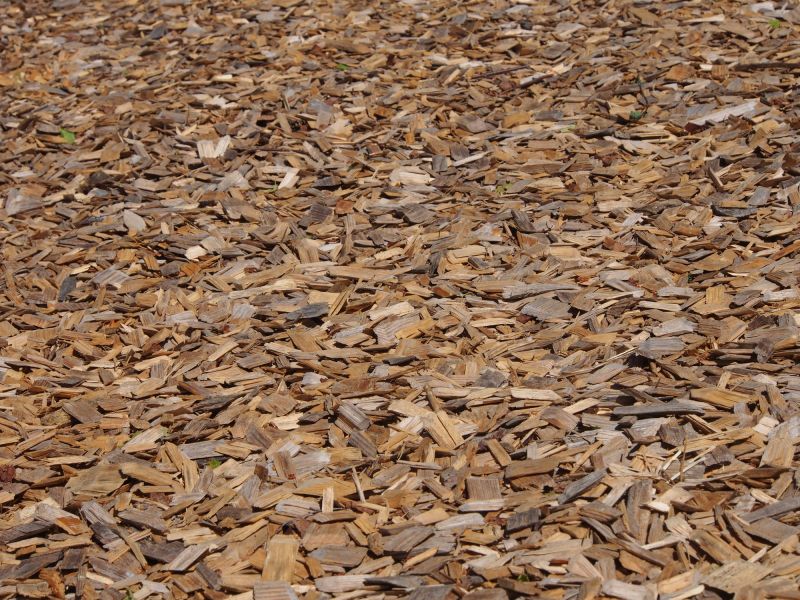
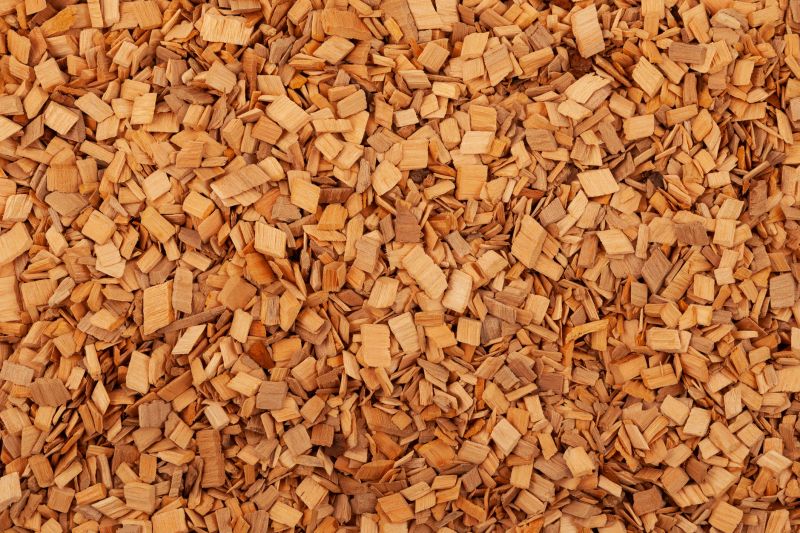
Wood chips installation is a common project for property owners looking to improve the appearance and functionality of outdoor spaces. Whether it's for landscaping, creating a natural ground cover, or defining pathways, local contractors can provide the necessary expertise to handle these tasks efficiently. Homeowners and property managers often seek out these services to enhance curb appeal, reduce weed growth, or create a safer surface for play areas and garden beds.
Many property owners also consider wood chips installation when seeking a low-maintenance, affordable alternative to grass or gravel. Local service providers can assist with spreading and securing the wood chips to ensure an even, durable surface. This type of project is frequently requested for backyard landscapes, playgrounds, or around trees, making it a practical choice for those wanting a simple yet effective outdoor solution.
What are wood chips typically used for in landscaping? Wood chips are often used for ground cover, mulching garden beds, and creating natural pathways to improve aesthetics and soil health.
How do local contractors prepare the area for wood chips installation? Contractors usually clear the area of debris, level the ground if needed, and lay a weed barrier before spreading the wood chips.
What types of wood are commonly used for wood chips? Common types include hardwoods like oak and maple, as well as softwoods like pine and cedar, depending on the desired appearance and durability.
Can wood chips be used around existing plants and trees? Yes, wood chips can be applied around plants and trees to help retain moisture, suppress weeds, and add a natural look to landscaping.
What factors influence the quality of wood chips used in installations? The quality depends on the type of wood, the size of the chips, and whether they are free from contaminants or treated materials.
Garden Mulching - Local contractors can install wood chips to help retain soil moisture and suppress weeds in flower beds and vegetable gardens.
Play Area Safety - Wood chips can be used as a soft surface under playground equipment to provide cushioning and reduce injury risk.
Pathway and Walkway Enhancement - Installing wood chips along garden paths or walkways can create a natural, rustic look while defining outdoor spaces.
Erosion Control - Wood chips can be applied on slopes or hill areas to help prevent soil erosion and improve landscape stability.
If you are thinking about Wood Chips Installation for a property, this guide is meant to help you understand the work, the typical project types, and how different options might fit your plans.
When you are ready, you can use the quote form on this page to share a few details about your project. From there, local pros can review the basics and respond with options that match what you have in mind.